The second-phase project of the Jingjiang River section in the middle reaches of the Yangtze River has passed overall completion acceptance.
On November 17, the second phase of the navigation channel regulation project in the Jingjiang section of the middle reaches of the Yangtze River (referred to as the Jingjiang Phase II project) successfully passed the overall completion acceptance, officially entering the trial operation phase.
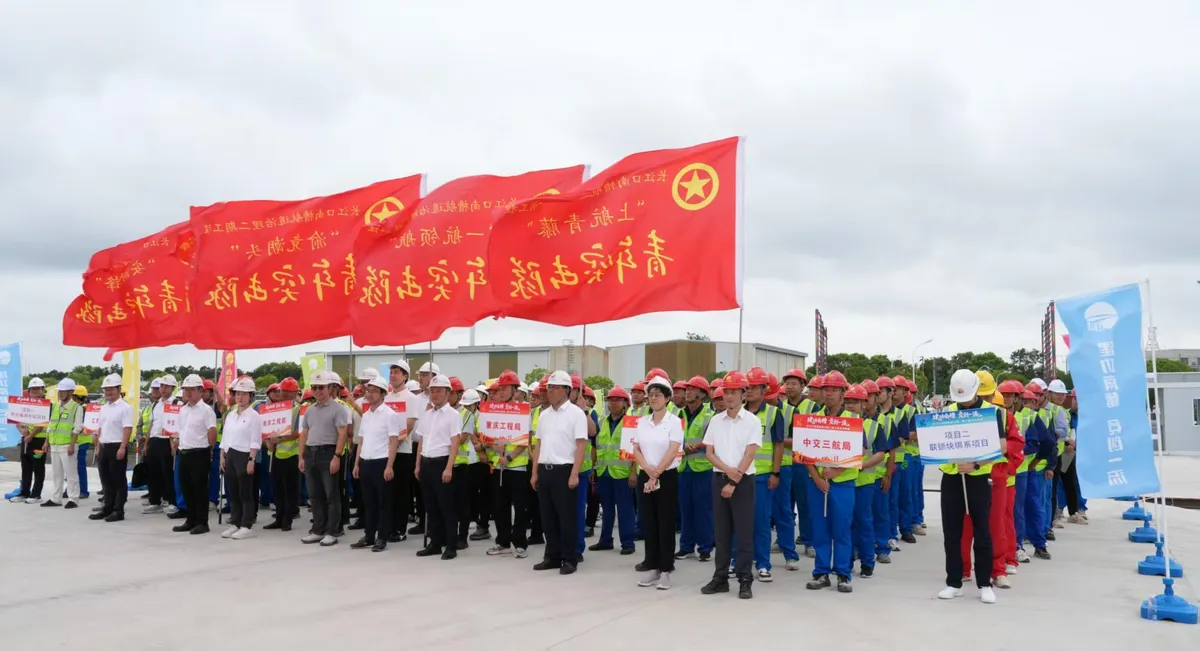
This completion acceptance was organized in strict accordance with the relevant procedures for navigation channel project acceptance. The acceptance team consisted of representatives from the industry’s supervisory departments, participating parties, and senior experts in the field. The team conducted on-site inspections by boat, visiting project sites such as the bank protection at Xiongjiazhou and the high shoal protection at Qigongling. They examined physical constructions, including ecological bank protection, composite habitat modules, and navigation marker projects, and reviewed project documentation. After comprehensive evaluation, they unanimously concluded that the project complies with the contractual specifications and meets the necessary design and standard requirements, thus approving the overall completion acceptance.
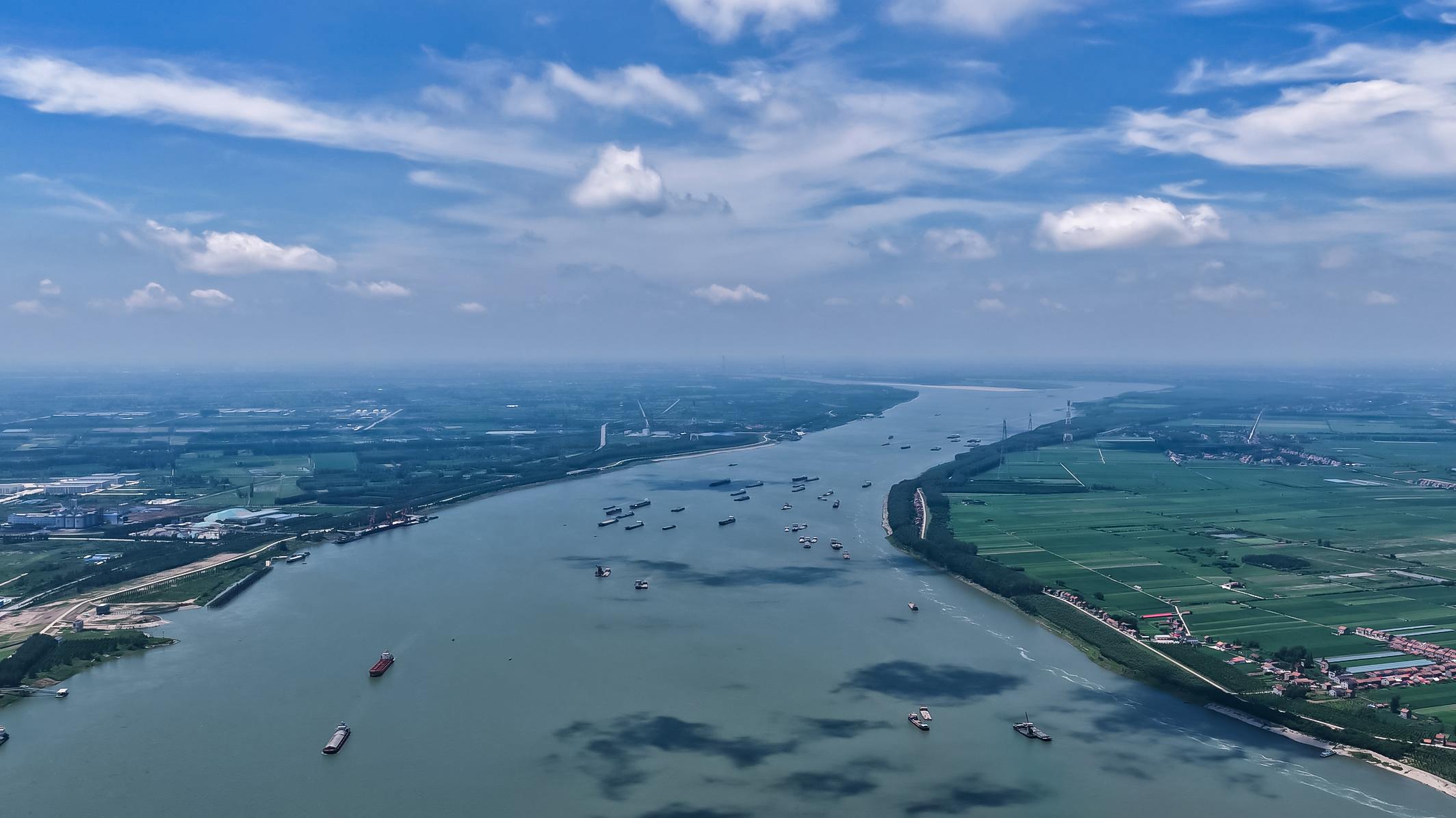
The Jingjiang Phase II project is a major water transport project that serves the high-quality development of the Yangtze River Economic Belt, enhances the integrated comprehensive transportation corridor along the river, and improves the throughput capacity of the Yangtze River Golden Waterway. The project commenced fully in September 2024 and spans from Yuheping in Jingzhou to Chenglingji in Yueyang, with a total channel length of approximately 247 kilometers. The navigation channel is classified as Level I and is built to a standard of 4.5 meters×200 meters×1050 meters (with some curved sections having a navigation width of no less than 150 meters). It is designed to accommodate 5,000-ton freighters. The project involves regulating five stretches of the channel from upstream to downstream, including Wakouzi, Zhoutianhe, Yaojiandahe, Tiepu to Xiongjiazhou, and Xiongjiazhou to Chenglingji. It entails constructing eight slope and bottom protection belts, three dams, protecting 7.01 kilometers of high shoals, reinforcing 11.7 kilometers of riverbanks, and undertaking dredging, ecological, navigation marker, new infrastructure, and supporting projects simultaneously.
Throughout the construction process, the Yangtze River Navigation Bureau adhered to the four main construction objectives of being “high-quality, green, intelligent, and integrity-driven.” The project was efficiently implemented with meticulous organization and coordinated scheduling. Strict quality control measures were enforced, especially focusing on key concealed construction aspects. Innovative technologies, such as QR code batch tracing for interlocking concrete blocks, laser volumetric measurement of dumped stone, and 3D high-definition sonar inspection, were adopted to visualize concealed structures, ensure quality control, and make processes traceable, aiming to build a safe, reliable, and long-lasting landmark project.
The project adhered to the concept of “ecological priority and green development.” It actively applied lessons learned from pilot programs for green navigation in a strong transportation nation by promoting eco-friendly structures such as steel mesh grids, fish-nest bricks, and ecological revetment bricks. Based on the national key research and development plan, the project explored and implemented new green ecological structures, such as three-dimensional stepped revetments, composite habitat modules, prefabricated interception ditches, and low-water-level platform components. It has resulted in the construction of 7.01 kilometers of ecological bank protection, creating a 35,000-square-meter improved habitat area and a 4.5-million-square-meter wetland habitat conservation area.
The project emphasized technological empowerment and innovation-driven leadership. Focusing on new structures for channel regulation, construction processes, advanced infrastructure, and ecological channel construction, the project initiated research in five major areas with 13 specific topics. It upgraded the Yangtze River channel regulation engineering intelligent management platform, built a preliminary project archive platform, and implemented supporting facilities, including multi-factor hydrological monitoring and navigation marker video surveillance. These efforts continue to enhance the efficiency of channel governance and operation management. So far, the project has received one provincial-level technology award, filed applications for 69 patents, developed three construction methods, and obtained eight software copyrights.
The successful overall completion acceptance of this project signifies that the 4.5-meter-deep channel in the Jingjiang section has entered a phase of sustained and stable operation. The conditions for navigation have been further optimized, bottlenecks in the channel have been effectively resolved, and the comprehensive benefits of shipping will gradually be realized. This will help reduce logistics costs for enterprises along the river, promote integrated development of industries along the Yangtze River, and provide robust support for continuously enhancing the navigational capacity and public service level of the Yangtze River Golden Waterway.
-
The second-phase project of the Jingjiang River section in the middle reaches of the Yangtze River has passed overall completion acceptance.4023
-
China's self-designed and constructed "Donghai Rescue 152" vessel commissioned.4338
-
The 2026 CSSC Series Brand Day "Visit to CSSC Sunrui" event was held in Luoyang.4084
-
The second domestically-built large cruise ship “AIDA Flower City” completes its first trial voyage.3231
-
The 'Huayuan 668' shipwreck salvage was successful, clearing a navigational obstacle that lasted twelve years.3112