Cold wave and low water levels overlap, ensuring uninterrupted transportation of essential goods in the Jiangyin section of the Yangtze River.
On November 9, a strong cold air mass moved from north to south, affecting the lower reaches of the Yangtze River. In the Jiangyin section of the river, wind strength significantly increased, temperatures plummeted, and combined with the low water levels typical of the dry season, the risks of large ships entering and leaving ports and conducting docking operations rose. The transportation of materials on water entered a major winter supply test.
The Jiangyin Maritime Bureau employed precise strategies and pragmatic measures to safeguard the waterway serving people's livelihoods during the cold wave, ensuring the public's “warm homes” and “grain supply” are protected.
Ensuring Stable Winter Supply of Coal for Power Generation
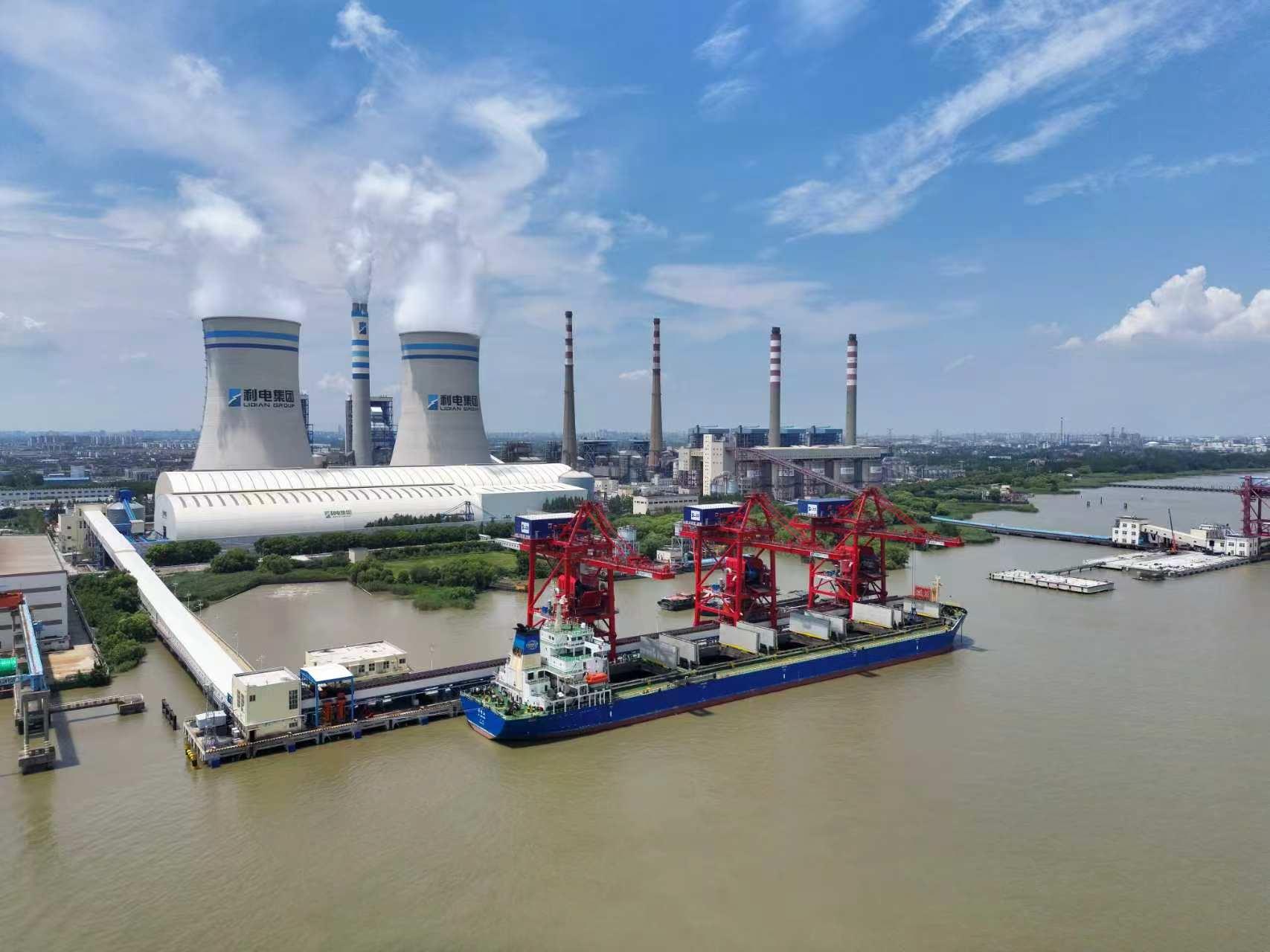
As the cold wave caused temperatures to drop, resident demand for electricity for heating surged, making the supply of coal for power generation an urgent necessity. On November 8, the ship “Chang Hang Nanhai,” carrying 55,000 tons of coal, smoothly docked at the Lidian Phase III Terminal, marking the official start of winter coal supply efforts.
Ligang Power Plant is the largest thermal power plant in Jiangsu Province. To ensure uninterrupted energy supply to the plant, the Jiangyin Maritime Bureau focused on the heating demands of residents, optimized the transportation service process, reduced the processing time for ship docking procedures, and promoted direct arrival and departure as well as quick docking and unloading of coal ships. At the same time, they strengthened cross-regional coordination and collaboration, opening up the main waterway for coal transport between Jiangsu and Hebei, reducing ship waiting times at ports, and lowering transportation costs for enterprises.
As of now, 233 coal transport ships have been supported, transferring 12.48 million tons of coal and unloading over 200,000 tons of coal efficiently, providing robust waterway support for ensuring winter heating supply to thousands of households.
Keeping the Waterway Open for Grain Transport from North to South
Grain is vital for livelihood supplies, and the Jiangyin COFCO Terminal, as an important grain transshipment hub along the Yangtze River, plays a key role in the unloading and transshipment of grain transported from north to south.
During the cold wave and strong winds, it became more challenging for large grain ships to dock. Recently, a shipment of 25,000 tons of northeastern corn aboard the ship “Fubao Donghai” successfully arrived at Jiangyin and docked safely at the COFCO Terminal. A steady flow of northern grain continues to be transported via the Yangtze River waterway to the Jiangnan region, bolstering local grain supplies.
Facing a complex water navigation environment, the maritime departments have provided full-service support focused on the transportation needs of livelihood supplies. They coordinated closely with terminals, pilots, and other related units to ensure smooth ship navigation throughout the process, ensuring grain transport ships could enter and leave ports without hindrance. Additionally, maritime staff boarded ships to listen to crew concerns and provided reminders on cold wave precautions against freezing, bringing services directly to the ship’s front line.
According to statistics, from January to October, the Jiangyin Maritime Bureau supported the transportation of 2.946 million tons of grain. A continuous flow of grain through the Yangtze River channel has ensured stable grain supplies for the populace.
-
Cold wave and low water levels overlap, ensuring uninterrupted transportation of essential goods in the Jiangyin section of the Yangtze River.3134
-
Passing on craftsmanship and shouldering the mission! "People's Craftsman" Xu Zhenchao visits the Yantai Salvage Bureau to promote the spirit of craftsmanship.4310
-
From Experienced Operations to Efficient Intelligence: Dalian Port Pilot Station Embarks on a New Journey After 75 Years4117
-
View the canal from the water, witness Guangxi's new maritime development.4366
-
Suzhou Port's Taicang Port area sees a continuous rise in automobile export volumes, with 1 million vehicles driving to the world from here.4586