Analysis Report on the Domestic Coastal Inter-provincial Freight Ship Transport in 2025
1. Dry Bulk Carrier Capacity Status
As of December 31, 2025, there were a total of 2,387 coastal interprovincial dry bulk carriers (over 10,000 tons, excluding heavy cargo ships, multipurpose ships, and other general cargo ships, hereinafter the same), with a total deadweight tonnage of 81.122 million tons, a decrease of 49 ships and 256,000 deadweight tons compared to the end of 2024, representing a tonnage reduction of 0.3%. In 2025, 134 ships with a total deadweight tonnage of 4.616 million tons were added; no ships were forcibly scrapped; companies adjusted capacity, resulting in 183 ships with a total deadweight tonnage of 4.866 million tons exiting the market.
The average age of coastal interprovincial dry bulk carriers was 11.6 years, an increase of 0.6 years compared to the end of 2024. Among them, old ships (18 years or older) and special inspection ships (28 years or older) accounted for 271 ships and 36 ships, respectively, representing 11.4% and 1.5% of the total number of ships. Compared to the end of 2024, the proportion of old ships decreased by 0.3 percentage points, while the proportion of special inspection ships increased by 0.3 percentage points.
2. Container Ship Capacity Status
As of December 31, 2025, there were a total of 439 coastal interprovincial container ships (700 TEU or above, excluding multipurpose ships, hereinafter the same), with a total container capacity of 1.026 million TEU, an increase of 16 ships and 30,000 TEU in container capacity compared to the end of 2024, representing a container capacity growth of 3.0%. In 2025, 46 ships with a total container capacity of 75,000 TEU were added; no ships were forcibly scrapped; 30 container ships (with a total container capacity of 45,000 TEU) exited the market early.
The average age of coastal interprovincial container ships was 8.8 years, an increase of 0.6 years compared to the end of 2024. Among them, old ships (20 years or older) and special inspection ships (29 years or older) accounted for 53 ships and 1 ship, respectively, representing 12.1% and 0.2% of the total number of ships. Compared to the end of 2024, the proportion of old ships increased by 2.9 percentage points, while the proportion of special inspection ships remained almost unchanged.
3. Liquid Cargo Dangerous Goods Ship Capacity Status
(1) Oil Tankers.
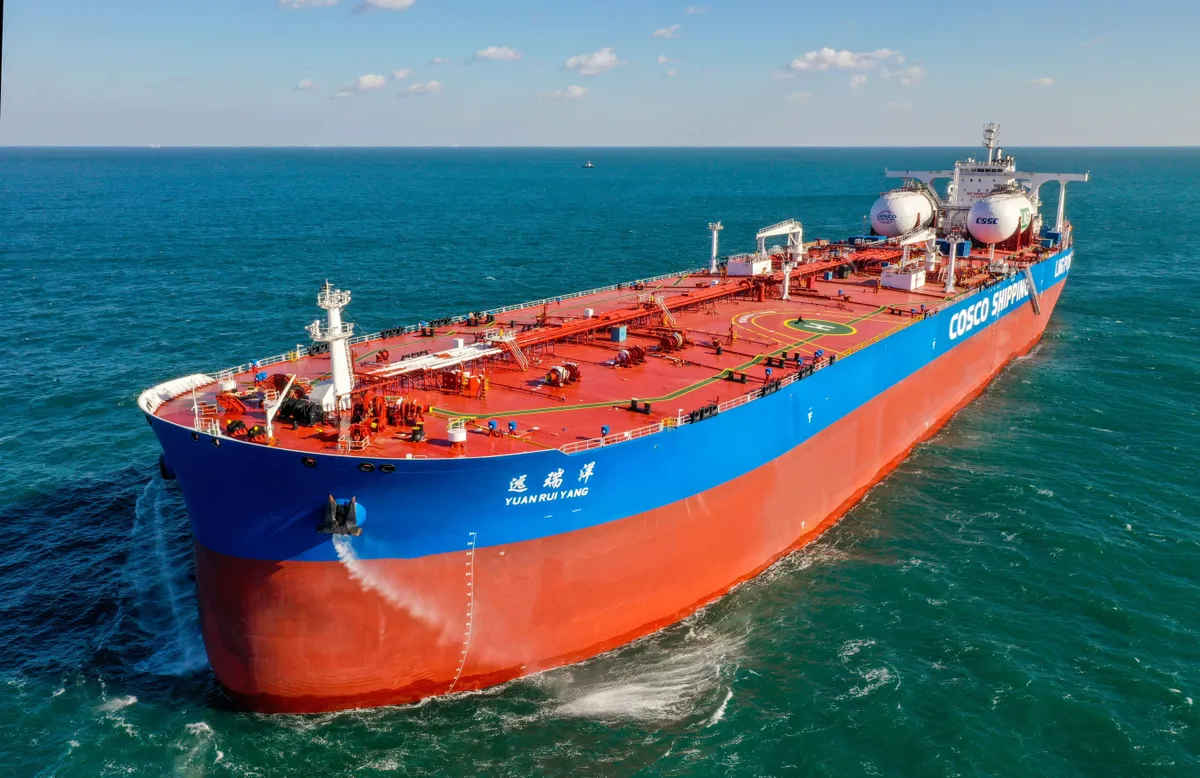
As of December 31, 2025, there were a total of 1,040 coastal interprovincial oil tankers (including crude oil tankers and product oil tankers, excluding dual-purpose oil and chemical tankers), with a total deadweight tonnage of 11.419 million tons, a decrease of 56 ships and 190,000 deadweight tons compared to the end of 2024, representing a tonnage reduction of 1.6%. In 2025, 43 ships with a total deadweight tonnage of 409,000 tons were added; 2 ships with a total deadweight tonnage of 64,000 tons were forcibly scrapped; 97 ships with a total deadweight tonnage of 536,000 tons exited the market early.
The average age of coastal interprovincial oil tankers was 11.6 years, an increase of 0.2 years compared to the end of 2024. Among them, old ships (12 years or older) and ships reaching the special inspection age (26 years or older) accounted for 617 ships and 3 ships, respectively, representing 59.3% and 0.3% of the total number of ships. The number of old ships decreased by 3 compared to the end of 2024, representing a year-on-year decrease of 0.5%, while the number of special inspection ships remained the same as the end of 2024.
(2) Chemical Tankers.
As of December 31, 2025, there were a total of 295 coastal interprovincial chemical tankers (including dual-purpose oil and chemical tankers, hereinafter the same), with a total deadweight tonnage of 1.658 million tons, an increase of 4 ships and 57,000 deadweight tons compared to the end of 2024, representing a tonnage growth of 3.6%. In 2025, 28 ships with a total deadweight tonnage of 166,000 tons were added; 24 ships with a total deadweight tonnage of 110,000 tons exited the market early.
The average age of coastal interprovincial chemical tankers was 8.8 years, a decrease of 0.5 years compared to the end of 2024. Among them, old ships (12 years or older) accounted for 126 ships, representing 42.7% of the total number of ships. No ships reached the special inspection age (26 years or older). The number of old ships decreased by 15 compared to the end of 2024, representing a year-on-year decrease of 10.6%.
(3) Liquefied Gas Ships.
As of December 31, 2025, there were a total of 90 coastal interprovincial liquefied gas ships, with a total deadweight tonnage of 348,000 tons (including 87 liquefied petroleum gas ships with a total deadweight tonnage of 317,000 tons and 3 liquefied natural gas ships with a total deadweight tonnage of 31,000 tons), an increase of 3 ships and 25,000 deadweight tons compared to the end of 2024, representing a tonnage growth of 7.7%. In 2025, 8 ships with a total deadweight tonnage of 38,000 tons were added; 5 ships with a total deadweight tonnage of 13,000 tons exited the market early.
The average age of coastal interprovincial liquefied gas ships was 12.1 years, a decrease of 1.0 years compared to the end of 2024. Among them, old ships (12 years or older) and ships reaching the special inspection age (26 years or older) accounted for 57 ships and 5 ships, respectively, representing 63.3% and 5.6% of the total number of ships. The number of old ships increased by 1 compared to the end of 2024, representing a year-on-year growth of 1.8%, while the number of special inspection ships decreased by 2 compared to the end of 2024, representing a year-on-year decrease of 28.6%.
Note: Some ships had their deadweight tonnage changed after inspection.
-
China has established a new channel in the southwestern region connecting inland areas to the sea.3159
-
China Merchants Group's intelligent ships make new moves.4493
-
The 9th International Diving and Offshore Exhibition Opens in Qingdao This November4929
-
The nation's first emergency drill for a biofuel spill was held at Tangshan's Jingtang Port.3430
-
Trillion-dollar market accelerating into shape! What can an "energy island" change?3643